
Contractor Insurance, Do I Really Need It?
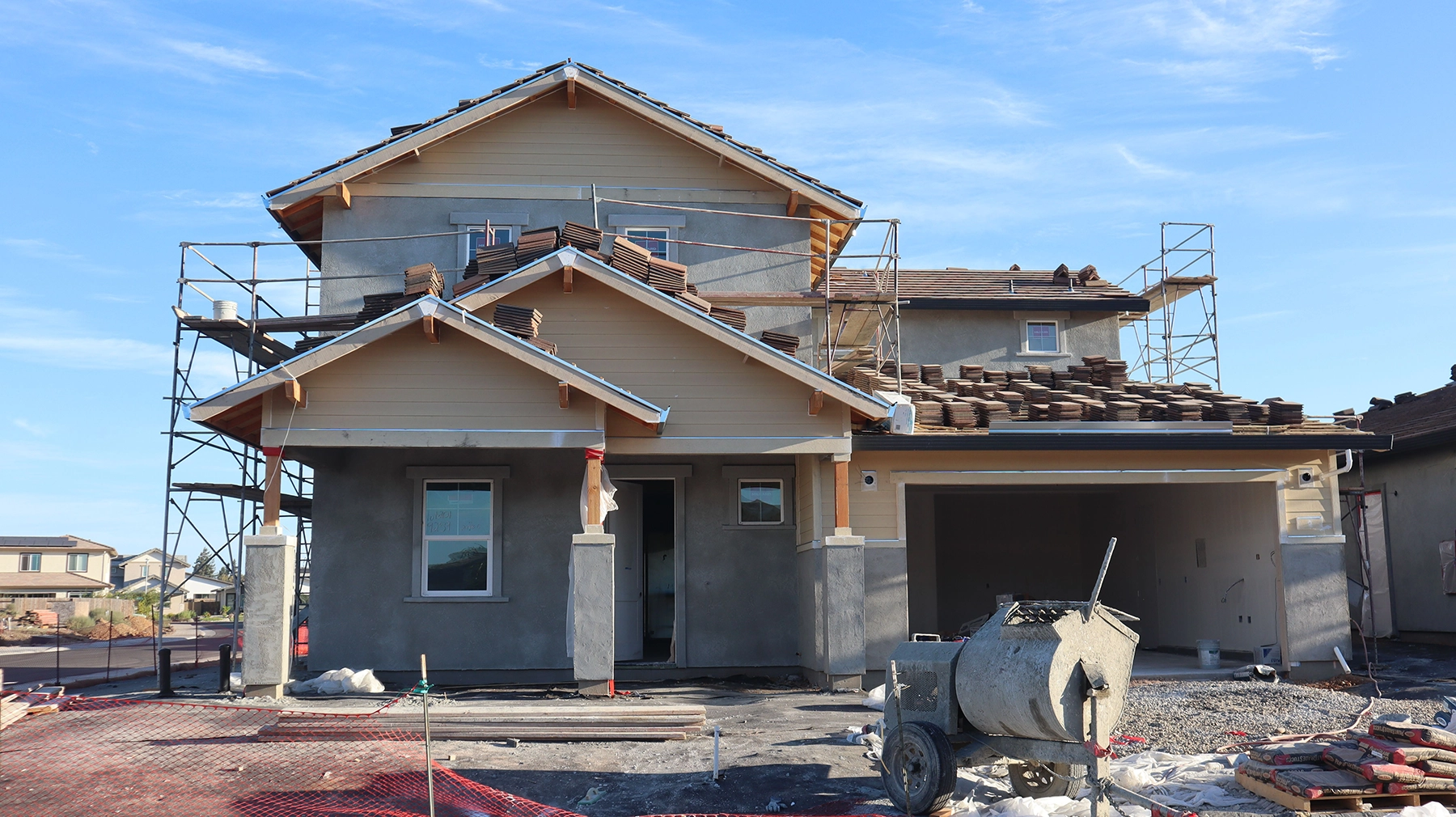
When undertaking construction projects, whether large or small, it's crucial to address potential risks and protect yourself from unforeseen circumstances. One significant aspect of safeguarding your business is securing contractor insurance. The short answer is YES. The long answer is also YES.
Contractor insurance, also known as construction insurance or contractor liability insurance, is a specialized type of coverage designed to mitigate risks specific to construction projects. It typically encompasses various policies tailored to protect contractors and their businesses from financial loss, property damage, bodily injury claims, and legal liabilities that may arise during construction operations.
Financial Protection: Construction projects involve numerous risks, such as property damage, accidents, theft, or unexpected delays. Contractor insurance provides financial protection, ensuring that you are not solely responsible for covering the costs associated with such incidents.
Liability Coverage: Accidents and injuries can occur on construction sites, potentially leading to lawsuits. Contractor insurance can help cover legal expenses, medical costs, and settlements arising from third-party claims, thereby safeguarding your business and personal assets.
Contract Requirements: Many clients and project owners require contractors to have proper insurance coverage before commencing work. By having contractor insurance in place, you can fulfill contractual obligations and enhance your professional reputation. Many cities and counties require you to have contractor insurance before you can obtain a contractors license. Check with your local jurisdictions for requirements.
Consequences of Not Having Contractor Insurance
Legal and Financial Risks: Without contractor insurance, you expose yourself to significant legal and financial risks. In the event of accidents, property damage, or lawsuits, you may be personally liable for the associated costs, jeopardizing your business and personal assets.
Loss of Business Opportunities: Many clients and project owners prioritize working with contractors who have appropriate insurance coverage. Failing to provide proof of insurance may result in the loss of potential contracts and business opportunities.
Reputational Damage: Operating without contractor insurance can harm your professional reputation. Clients may question your credibility and reliability, potentially impacting your ability to secure future projects.
Types of contractor insurance that you might need
General liability insurance: This is the most basic type of contractor insurance and it covers claims for bodily injury, property damage, and advertising injury.
Workers' compensation insurance: This is required by law in most states and it covers the cost of medical expenses and lost wages for employees who are injured on the job.
Employer's liability insurance: This is not required by law in all states, but it can provide coverage for claims for wrongful death or disability that are filed against your business by an employee who is injured on the job.
Professional liability insurance: This type of insurance covers claims for errors or omissions that are made in the course of your work. This is important for contractors who provide professional services, such as architects or engineers.
The Cost of Contractors Insurance
The cost of contractor insurance will vary depending on the type of insurance you need, the size of your business, and your location. However, it is generally a relatively affordable investment that can provide you with peace of mind and protect your business from financial loss. In general, you can expect to pay between $50 and $200 per month for a basic policy.
Here are some of the factors that will affect the cost of your general liability insurance:
The type of work you do: Some types of work, such as roofing or electrical work, are considered to be more risky than others. As a result, these types of work will typically require higher insurance premiums.
The size of your business: Larger businesses will typically pay higher insurance premiums than smaller businesses. This is because larger businesses have more employees and more assets to protect.
Your location: The cost of insurance can vary depending on the state you live in. For example, insurance premiums are typically higher in states with a lot of construction activity.
It is important to shop around and compare rates from different insurance companies before you purchase a policy. You can also get quotes online from a number of different companies.
Where to Get Contractors Insurance
1. ERGO NEXT If you hate calling agents and waiting days for a PDF, start here. ERGO NEXT is what NEXT Insurance is called now, and it’s built for contractors who want cheap, fast general liability they can handle without an agent. You can pull a certificate off your phone in the driveway while the GC waits.
2. The Hartford This is the big, established carrier. It’s a good fit for contractors who’ve been around a while and want a name everybody recognizes, with an A+ AM Best rating, a strong reputation on claims, and the option to bundle into a BOP. MoneyGeek pulled 1,229 quotes and ranked The Hartford as the best general liability option for general contractors.
3. Hiscox Good for the one-truck guy or a small crew. Hiscox suits solo contractors and small outfits that want simple online quotes without a bunch of coverage they’ll never use.
4. Thimble Running seasonal, side jobs, or doing work by the project? Thimble lets you buy coverage by the hour, day, or month, which works well for part-time, seasonal, or project-based contractors. Handy when a commercial client wants proof of coverage on a one-off job.
5. Insureon This one isn’t a carrier, it’s a marketplace. You fill out one application and get quotes from multiple insurers, so you can compare without filling out the same form five times. Their 2026 cost data for general contractors is widely used as the national baseline, so it’s also worth a look just to see whether your current premium is in the right ballpark.
One last thing: before you buy, dig out a recent sub agreement and check what limits and additional-insured language your GCs actually require. Buying the cheap policy and then finding out it doesn’t meet the contract is how you lose a job.


.svg)