Call Tracking for Contractors: It’s Time to Stop Guessing Where Your Phone Calls Come From
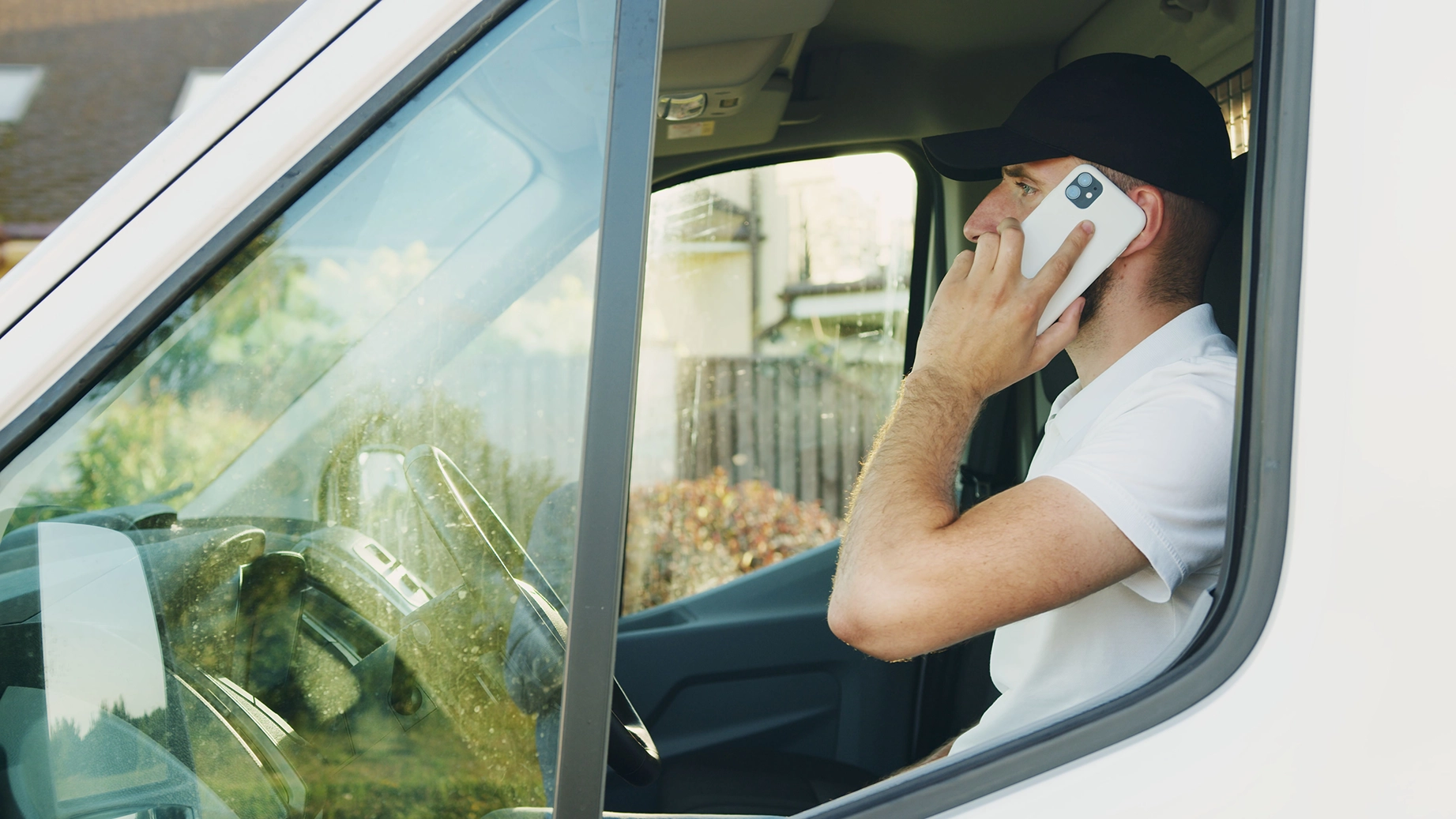
You know the drill. The phone rings, you book the job, and somewhere in there you ask, "Hey, how'd you hear about us?" And the homeowner says, "Uh... Google? Or maybe my neighbor? I think I saw your truck?"
Cool. Super helpful. Meanwhile you're dropping a couple grand a month between Google Ads, Local Services Ads, Angi, a yard sign program, and that radio spot your buddy talked you into. And you have no real idea which one is actually making the phone ring.
That's the whole problem call tracking fixes. If your business runs on phone calls (and let's be honest, most trades still do), you need to know where those calls come from. Not a gut feeling. Real numbers.
So What Is Call Tracking, Really?
Simple version: every marketing channel gets its own phone number. Google Ads gets one. Your Google Business Profile gets one. Facebook gets one. The truck wrap gets one. Every one of those numbers forwards to the same phone you already answer.
When somebody calls, the software logs which number they dialed, so you know exactly where that lead came from. Most platforms also record the call, transcribe it, and tell you if it was a first-time caller or somebody calling back about an invoice.
For your website, there's a trick called dynamic number insertion (DNI). The site swaps in a different number depending on how the visitor showed up. Someone who clicked your Google ad sees one number. Someone who found you organically sees another. Same website, different numbers, and now you can see which keyword or ad actually turned into a ringing phone.
Why Every Contractor Should Care
You stop paying for stuff that doesn't work. This is the big one. Plenty of guys find out after 90 days of tracking that a lead source they were paying good money for sent them three calls, two of which were sales reps. Meanwhile the Google Business Profile they never touch is lighting the phone up. You can't cut the dead weight if you can't see it.
Your Google Ads finally get smarter. If you run Google Ads, the algorithm only learns from what you tell it counts as a conversion. Most contractor accounts track clicks or form fills, but the real money comes over the phone. Hook call tracking into Google Ads and you can feed it calls that lasted over a couple minutes, the ones that turned into real conversations. Now Google goes looking for more people who call, not more people who click.
You find out how many calls you're missing. This one stings. Pull a call report and look at how many rang through to voicemail at 4:45 on a Tuesday or while you were up on a roof. Every one of those is a homeowner who probably called the next guy on the list. Once you see the number, you'll either fix your answering setup or hire somebody, and either way you'll make money.
Recordings settle arguments and train your people. "He told me it'd be done in two days." Pull up the recording. Done. And if you've got an office manager or CSR booking jobs, listening to a handful of calls a week will show you exactly where leads are getting fumbled. Nobody likes hearing themselves on tape, but it works.
You can actually measure the old-school stuff. Yard signs, truck wraps, door hangers, the local radio spot, the Little League banner. Slap a unique tracking number on each one and in a couple months you'll know if they're pulling their weight.
The Call Tracking Companies Worth a Look
There are a couple hundred of these out there. For a contractor, it really comes down to a handful. Here's the short list.
CallRail is the one most marketing agencies will set you up on, and it's a solid fit for most small to mid-size contractors. It runs $50 a month on monthly billing, or $45 if you pay for the year. The base plan gets you 5 numbers and 250 minutes, plus call recording and transcription. Extra numbers run $3 each and extra minutes cost a few cents apiece, so keep an eye on usage. There's a 14-day free trial.
WhatConverts is the cheapest real option at $30 a month, which makes it a good pick for owners watching every dollar. Bump up to the $60 Plus plan and you also get form and chat tracking plus Google Ads keyword reporting. The nice part is you can tag each lead as quoted, sold, or junk and put a dollar value on it, so you see revenue by source, not just call counts. They also have a 14-day free trial.
CallTrackingMetrics is more of a full phone system than a simple tracker. You get call routing, queues, and call scoring on top of tracking, and pricing is by quote. It's overkill for a one-truck outfit, but it makes sense once you've got an office with a few people answering phones.
Invoca is built for big multi-location operations, franchises, and contact centers, with heavy-duty AI call analysis and enterprise pricing to match. If you're asking yourself whether you need it, you don't.
One more thing before you buy: check your field service software. Some of the bigger platforms like Jobber, ServiceTitan and Housecall Pro have call tracking options built in or available as an add-on. If you're already paying for one, see what it covers before adding another monthly bill.
Whatever you pick, ask for the full number up front. The sticker price is the base fee, and minutes, extra numbers, and add-ons get billed on top. A busy shop can blow past 250 minutes in a week during peak season.


.svg)